



KDM5
KDM5 (lysine demethylase 5) proteins comprise the KDM5A, KDM5B, KDM5C, and KDM5D isoforms, which function as Fe(II)- and α-ketoglutarate-dependent histone demethylases that remove methyl groups from H3K4me2/3 and thereby regulate chromatin state and transcriptional programs[1][2]. Mechanistically, KDM5 family members act as context-dependent transcriptional regulators that can either activate or repress gene expression, linking histone methylation dynamics to cellular differentiation, proliferation, and developmental processes[3]. Dysregulation of KDM5 signaling has been widely associated with tumor initiation, progression, and therapeutic resistance, highlighting the importance of this epigenetic pathway in cancer biology[2][4][5]. In disease models, KDM5A and KDM5B have been implicated in the regulation of proliferation, angiogenesis, DNA repair, metastasis, and drug-tolerant cellular states across multiple cancer types[2][5][3]. Compared with related isoforms, KDM5A and KDM5B share high sequence homology and domain architecture but exhibit distinct target-gene specificity and gene-regulatory functions, whereas KDM5C lacks the PHD3 domain and is frequently linked to neurodevelopmental disorders and tumor-suppressive activities in selected cancers[4][6]. KDM5D, encoded on the Y chromosome, participates in physiological processes including spermatogenesis and differentiation and displays disease associations distinct from other KDM5 members[6]. For experimental applications, small-molecule KDM5 inhibitors have been developed to modulate KDM5 enzymatic activity, and KDM5 inhibition has demonstrated antitumor effects in cellular and in vivo models, supporting the use of KDM5 proteins as research targets for epigenetic regulation and therapeutic response studies[5][2].
References:
- [1]. Horton JR, et al. Characterization of a Linked Jumonji Domain of the KDM5/JARID1 Family of Histone H3 Lysine 4 Demethylases. J Biol Chem. 2016 Feb 5;291(6):2631-46. [Content Brief]
- [2]. Pippa S, et al. Small Molecule Inhibitors of KDM5 Histone Demethylases Increase the Radiosensitivity of Breast Cancer Cells Overexpressing JARID1B. Molecules. 2019 May 4;24(9):1739. [Content Brief]
- [3]. Ohguchi Y, et al. Diverse Functions of KDM5 in Cancer: Transcriptional Repressor or Activator? Cancers (Basel). 2022 Jul 4;14(13):3270. [Content Brief]
- [4]. Yoo J, et al. Drawing a line between histone demethylase KDM5A and KDM5B: their roles in development and tumorigenesis. Exp Mol Med. 2022 Dec;54(12):2107-2117. [Content Brief]
- [5]. Pavlenko E, et al. Functions and Interactions of Mammalian KDM5 Demethylases. Front Genet. 2022 Jul 11;13:906662. [Content Brief]
- [6]. Chen X, et al. Roles of KDM5 demethylases in therapeutic resistance of cancers. Epigenetics Chromatin. 2025 Sep 26;18(1):61. [Content Brief]
All Product Categories
-
KDM5 Related Products (18)
Related Products (18)

- 1
-
JIB-04
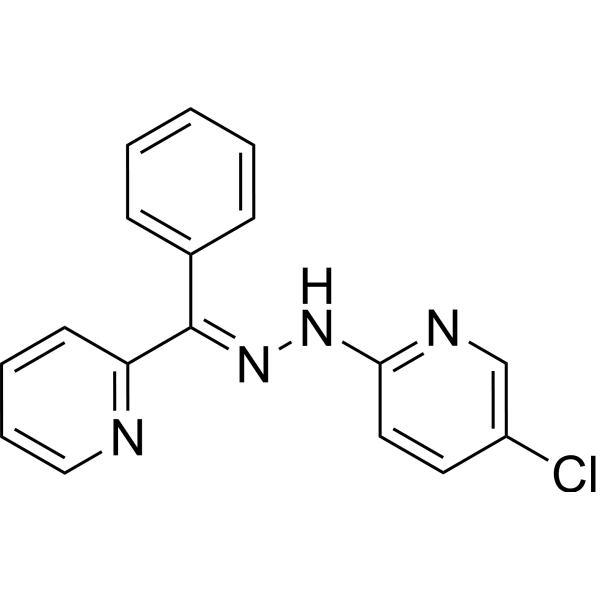 0 ImagesJIB-04 is a pan-selective Jumonji histone demethylase inihibitor with IC50s of 230, 340, 855, 445, 435, 1100, and 290 nM for JARID1A, JMJD2E, JMJD3, JMJD2A, JMJD2B, JMJD2C, and JMJD2D, respectively.
-
QC6352
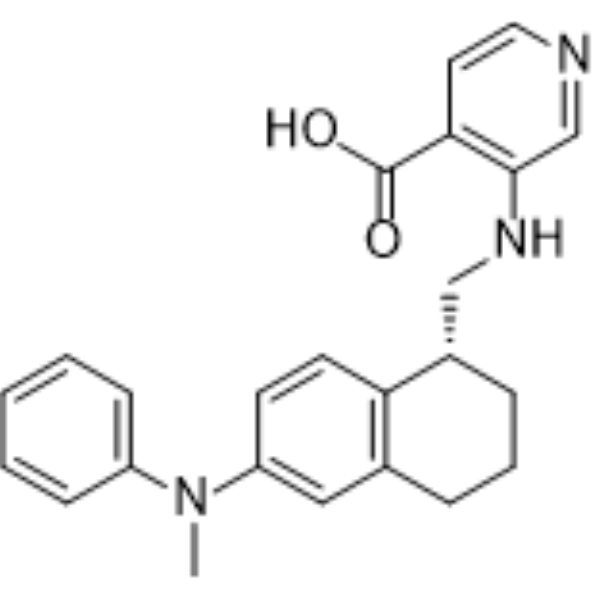 0 ImagesQC6352 is an orally active KDM4 inhibitor with anti-tumor and anti-proliferative activity. QC6352 has in vivo inhibitory effects on PDX models of breast and colon cancer and reduces the number of chemoresistant cell populations. QC6352 inhibits KDM4 different isoforms with IC50s of 104 nM (KDM4A), 56 nM (KDM4B), 35 nM (KDM4C), and 104 nM (KDM4D), respectively. QC6352 has moderate inhibitory activity against KDM5 with an IC50 of 750 nM (KDM5B).
-
KDOAM-25 citrate
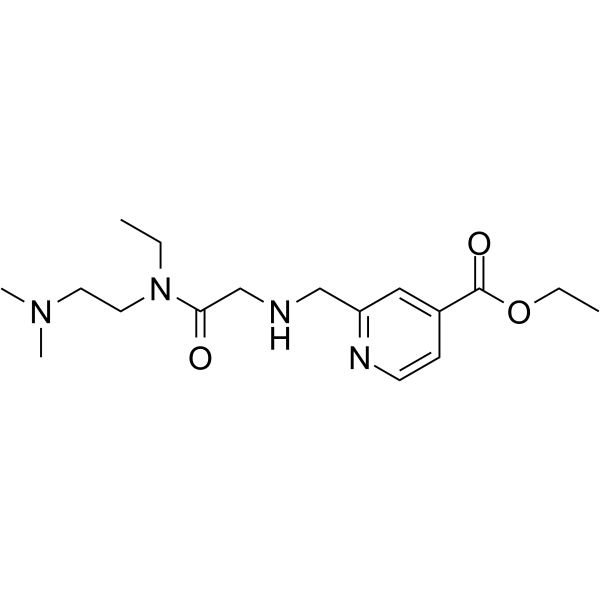
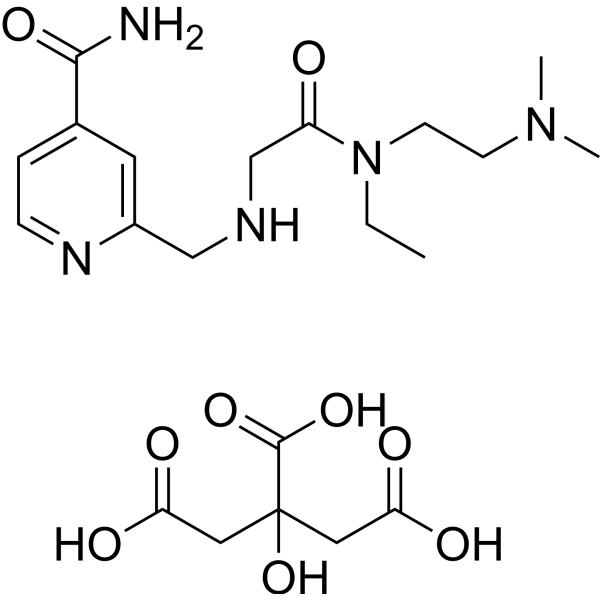 0 ImagesKDOAM-25 citrate is a potent and highly selective histone lysine demethylases 5 (KDM5) inhibitor with IC50s of 71 nM, 19 nM, 69 nM, 69 nM for KDM5A, KDM5B, KDM5C, KDM5D, respectively. KDOAM-25 citrate increases global H3K4 methylation at transcriptional start sites and impairs proliferation in multiple myeloma MM1S cells.
-
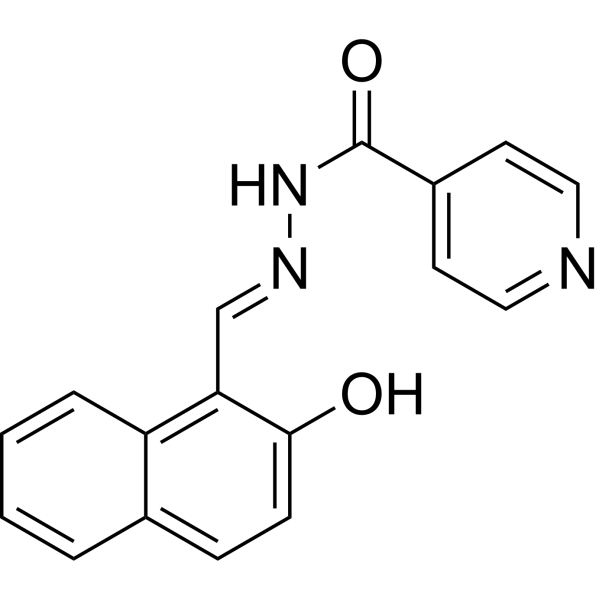
DW-229
 0 ImagesCat. No.: HY-183618DW-229 is a PROTAC degrader derived from Deferiprone (HY-B0568), targeting Fe(II)/α‑ketoglutarate‑dependent histone lysine demethylases (KDMs). DW-229 degrades KDM2A, KDM3A, KDM5B, KDM4A‑C, KDM5C, KDM6B in breast cancer cells. DW-229 shows IC50 < 0.5 μM against MCF‑7 cells and IC50 of 8.87 μM against MDA‑MB‑231 cells, with high cancer cell selectivity. DW-229 can be used for the research of breast cancer, liver cancer, prostate cancer, lung cancer.

-
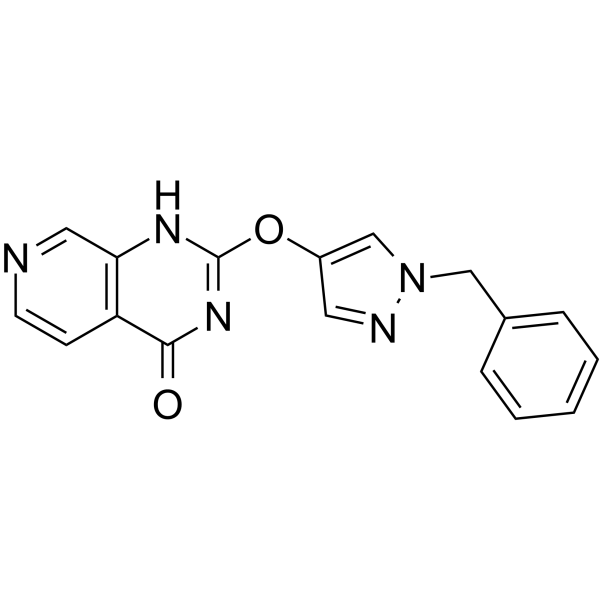
TK-129
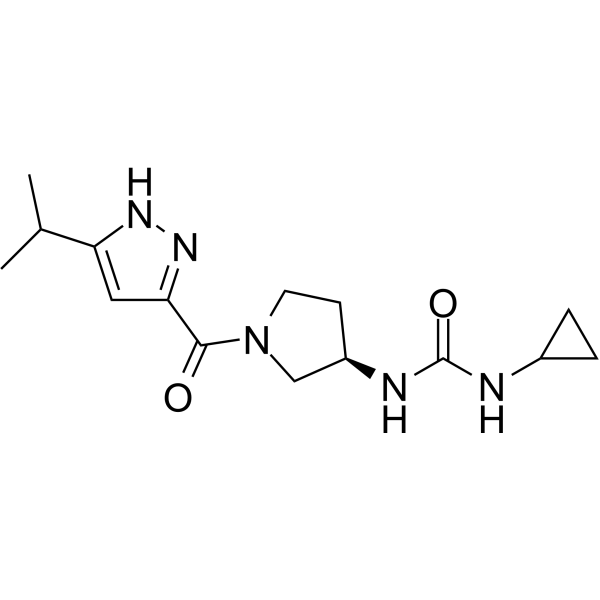 0 ImagesTK-129 is an orally active, low-toxicity, potent KDM5B inhibitor (with high affinity; IC50=44 nM). TK-129 exerts cardioprotective effects by inhibiting KDM5B and blocking the KDM5B-associated Wnt pathway. TK-129 reduces ang II-induced activation of cardiac fibroblasts in vitro and reduces isoprenaline-induced myocardial remodelling and fibrosis in vivo. TK-129 can be used in studies of cardiovascular disease.
-
KDM5A-IN-1
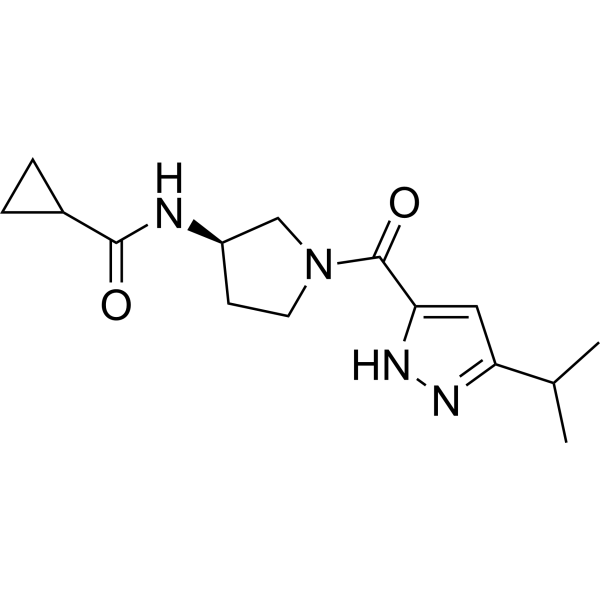 0 ImagesKDM5A-IN-1 is a potent, orally bioavailable pan-histone lysine demethylases 5 (KDM5) inhibitor with IC50s of 45 nM, 56 nM and 55 nM for KDM5A, KDM5B and KDM5C, respectively, and with an EC50 value of 960 nM for PC9 H3K4Me3. KDM5A-IN-1 is significantly less potent against other KDM5B enzymes (1A, 2B, 3B, 4C, 6A, 7B).
-
CPI-455 hydrochloride
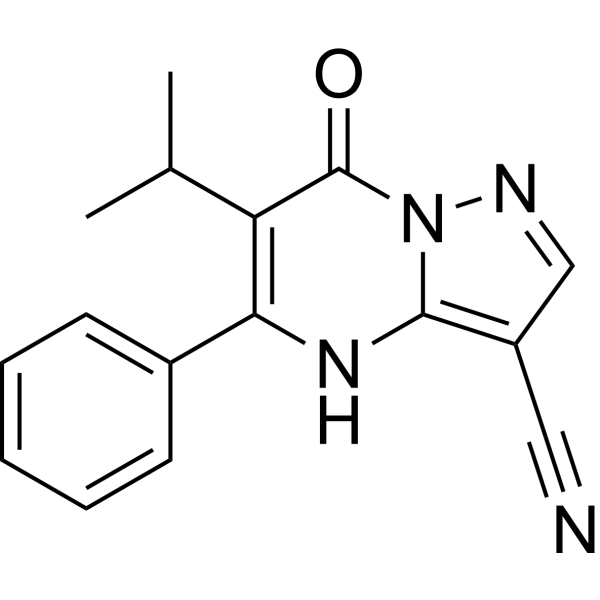
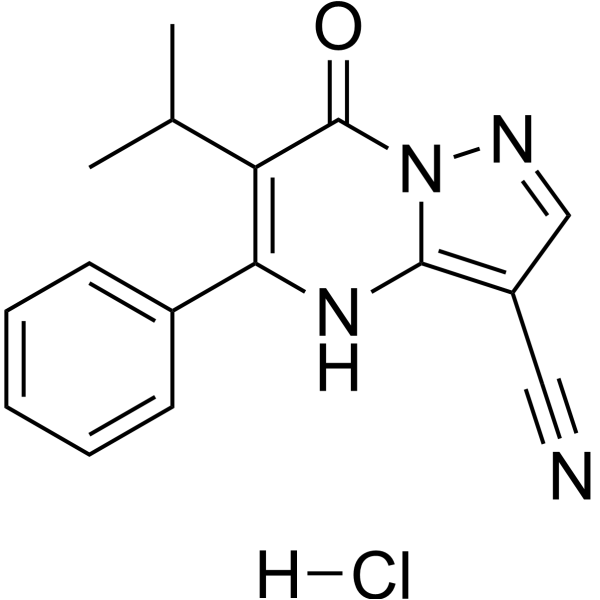 0 ImagesCPI-455 hydrochloride is a specific, pan-KDM5 inhibitor with an IC50 of 10 nM for KDM5A. CPI-455 hydrochloride mediates KDM5 inhibition, elevates global levels of H3K4me3, and decreases the number of drug-tolerant persister cancer cells in multiple cancer cell line models treated with standard chemotherapy or targeted agents.
-
JQKD82 trihydrochloride
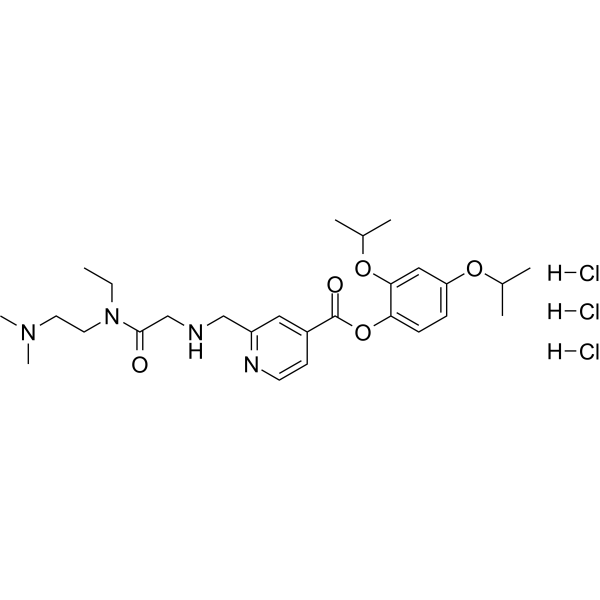 0 ImagesSynonyms: JADA82 trihydrochloride; PCK82 trihydrochlorideJQKD82 (JADA82) trihydrochloride is a cell-permeable and selective KDM5 inhibitor. JQKD82 trihydrochloride increases H3K4me3 and can be used for the research of multiple myeloma.
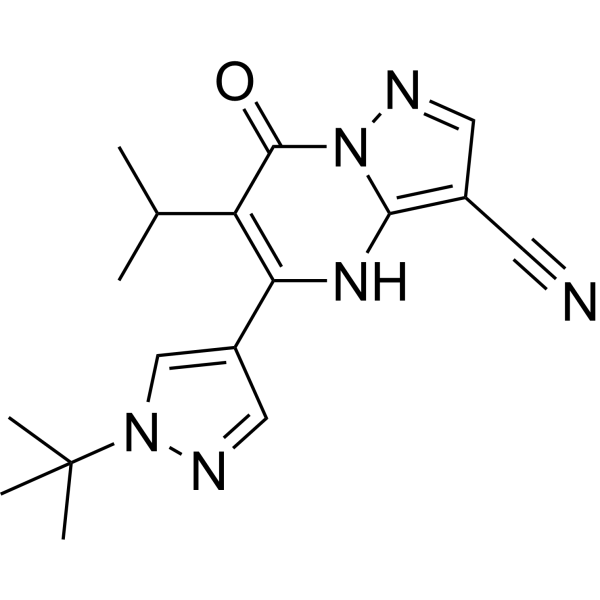
-
PBIT
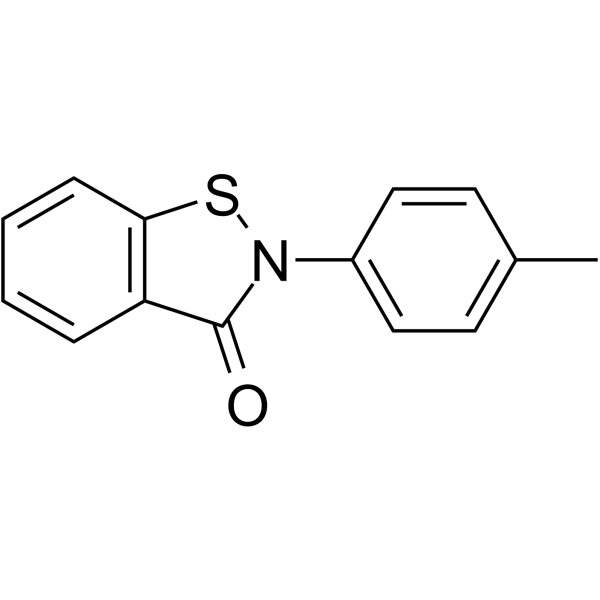 0 ImagesPBIT is a specific inhibitor of the Jumonji AT-rich Interactive Domain 1 (JARID1) enzymes. PBIT inhibits JARID1B (KDM5B or PLU1) histone demethylase with an IC50 of about 3 μM . PBIT also inhibits JARID1A and JARID1C with IC50s of 6 μM and 4.9 μM, respectively.
-
N19-0881
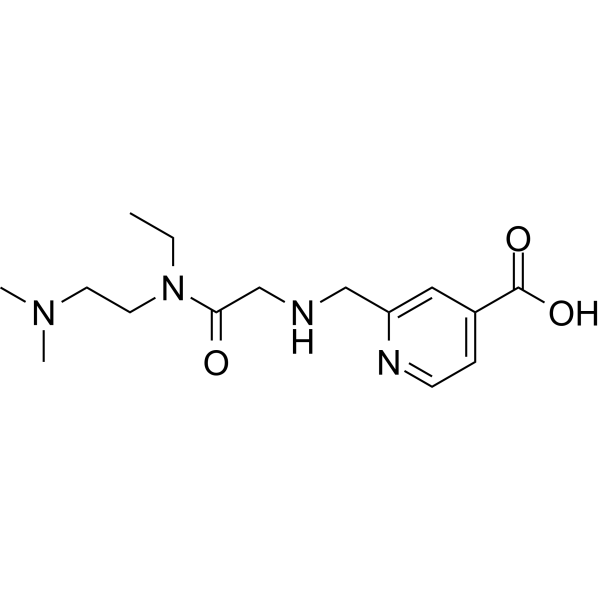
 0 ImagesCat. No.: HY-136682CAS No.: 1613410-75-5
-
JQKD82
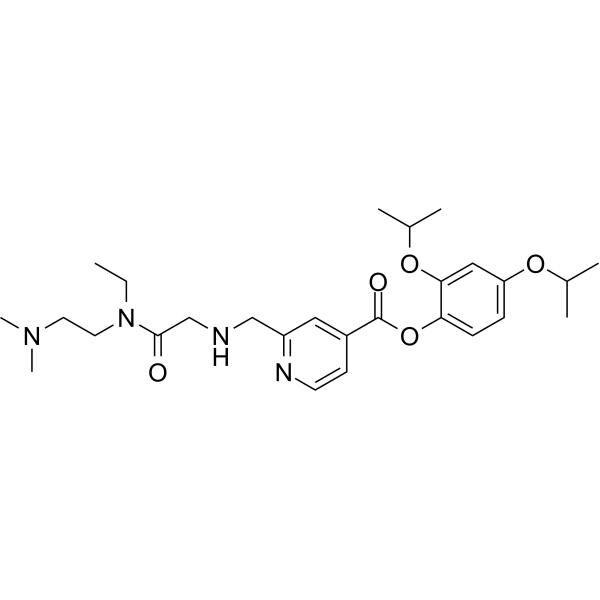 0 ImagesCat. No.: HY-138691CAS No.: 2410512-38-6Synonyms: JADA82; PCK82JQKD82 (JADA82) is a cell-permeable and selective KDM5 inhibitor. JQKD82 increases H3K4me3 and can be used for the research of multiple myeloma.
- 1



